20 all-natural ingredients,
Each with a purpose.

Alt image Alt image Alt image

Apple (사과)

Cooling in nature, apples are considered beneficial for digestive health in Korean traditional medicine. Modern research confirms they contain pectin and polyphenols that support gut health, while their cooling properties help reduce internal heat and thirst.

Alt image Alt image Alt image

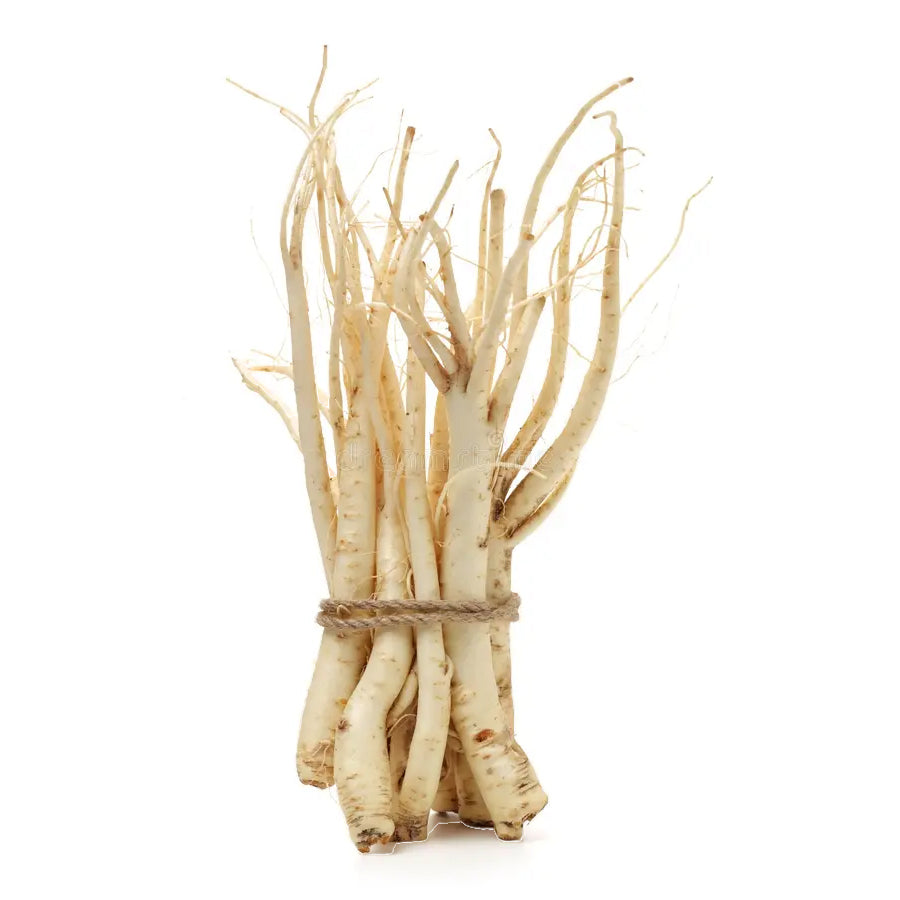
Bellflower Root (도라지)

A warming herb in Korean medicine traditionally used to support respiratory health and clear excess phlegm. Contains saponins that modern research has shown may help reduce inflammation and support immune system function.

Alt image Alt image Alt image

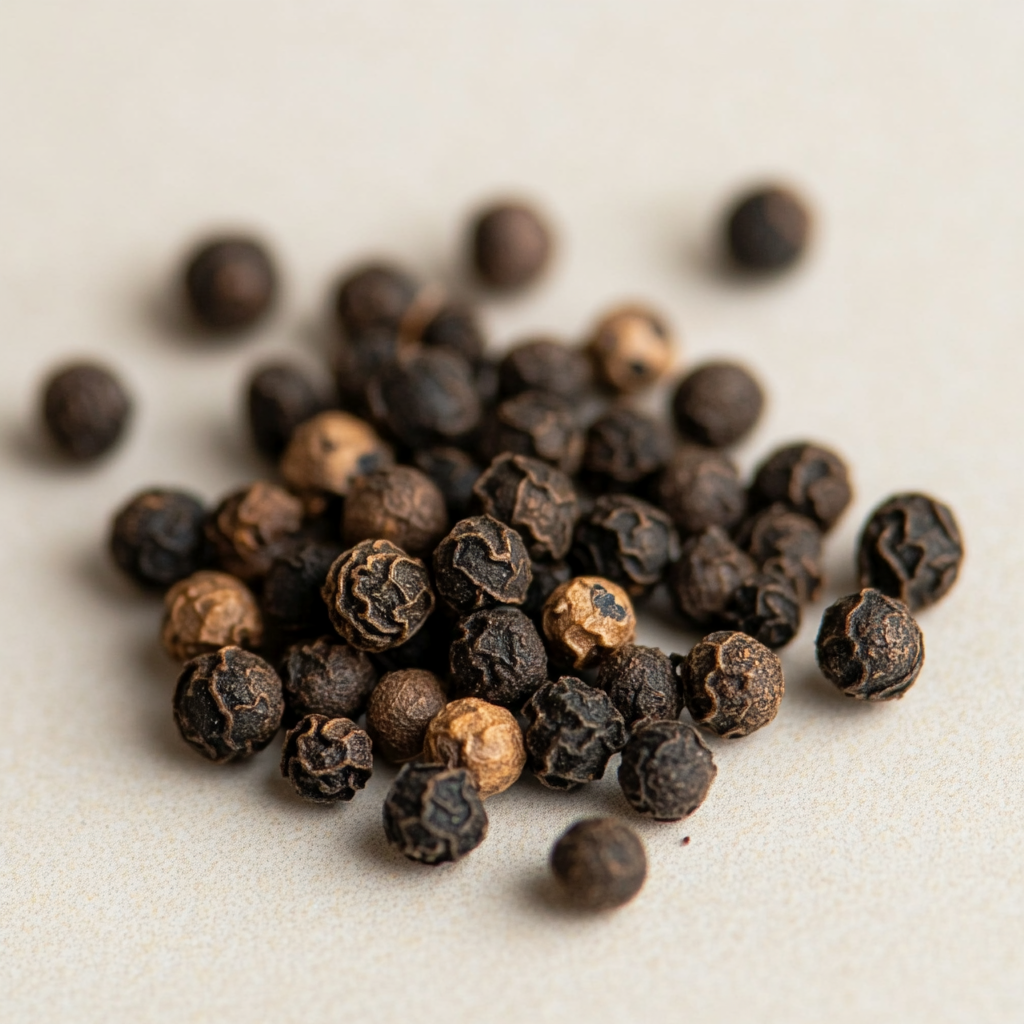
Black Pepper (후추)

Strongly warming and pungent, black pepper is used in Korean medicine to warm the digestive system and increase nutrient absorption. Modern science confirms its active compound piperine enhances the bioavailability of other nutrients and supports digestive health.

Alt image Alt image Alt image

Black Bean (약콩)

Neutral to slightly cooling, these medicinal beans are traditionally used to support kidney function and overall vitality. Modern research confirms their high protein content and beneficial isoflavones.

Alt image Alt image Alt image

Broccoli (브로콜리)

Neutral to slightly cooling, broccoli is rich in glucosinolates and sulforaphane. In Korean medicine, it's valued for balancing energy and supporting overall vitality, while modern research highlights its antioxidant properties.

Alt image Alt image Alt image

Cabbage (양배추)

Cooling in nature, cabbage is traditionally used in Korean medicine to soothe the digestive system and clear excess heat. Modern research confirms its high vitamin C content and anti-inflammatory glucosinolates.

Alt image Alt image Alt image

Carrot (당근)

Neutral to slightly cooling, carrots are used in Korean medicine to support vision and strengthen the spleen-stomach system. Modern science confirms their high beta-carotene content supports eye health and immune function.

Alt image Alt image Alt image

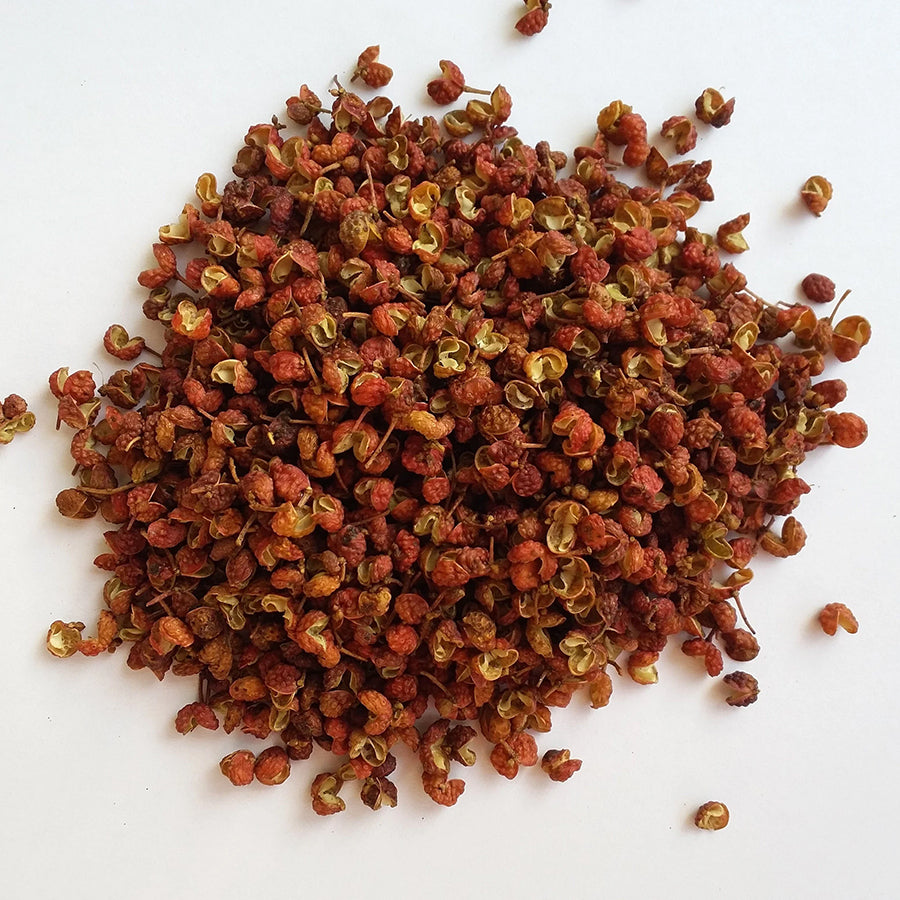
Pepper (산초)

Warming and aromatic, Sancho pepper is used in Korean medicine to warm the digestive system and dispel cold. Modern research shows it contains compounds with antimicrobial and anti-inflammatory properties.

Alt image Alt image Alt image

Cinnamon (계피)

Strongly warming, cinnamon is used in Korean medicine to warm the interior and support circulation. Modern research confirms its active compounds help regulate blood sugar and possess anti-inflammatory properties.

Alt image Alt image Alt image

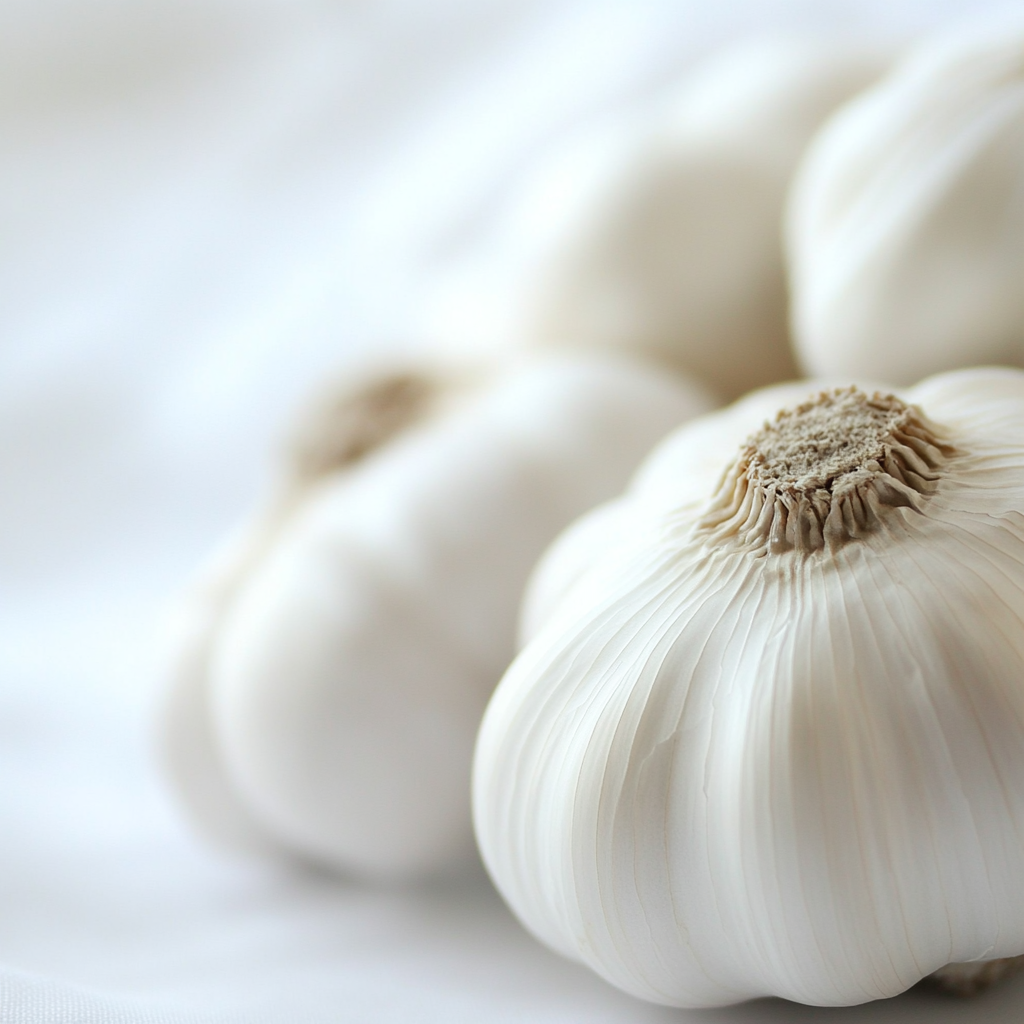
Garlic (마늘)

Warming and pungent, garlic is considered a powerful medicinal food in Korean medicine for strengthening immunity and circulation. Modern science confirms its sulfur compounds have antimicrobial and cardiovascular benefits.

Alt image Alt image Alt image

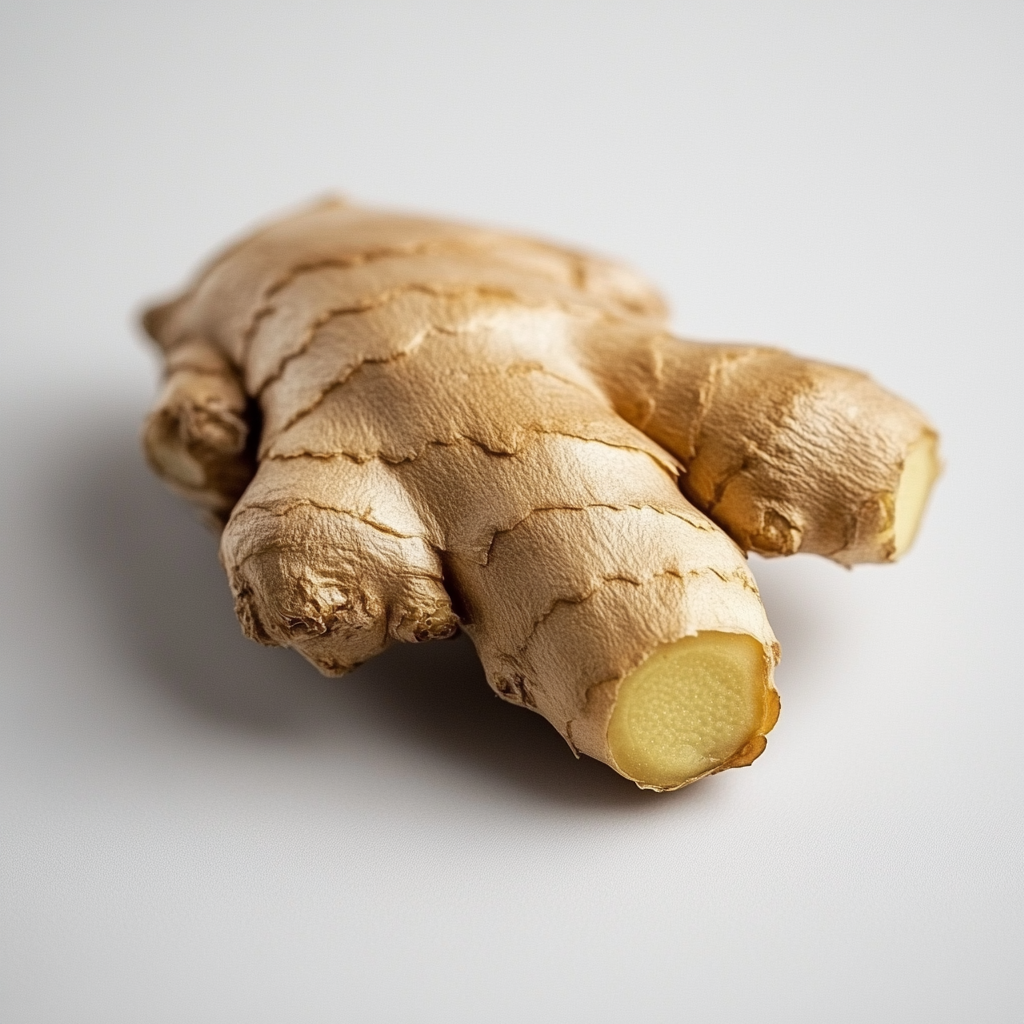
Ginger (생강)

Warming and dispersing, ginger is fundamental in Korean medicine for warming the digestive system and expelling cold. Scientific research validates its anti-inflammatory properties and effectiveness in reducing nausea.

Alt image Alt image Alt image

Honey (꿀)

Neutral to slightly warming, honey is considered nourishing and harmonizing in Korean medicine, and is used as a natural binder for our ingredients. Modern research confirms its natural antibacterial properties and effectiveness as a soothing agent for throat irritation.

Alt image Alt image Alt image

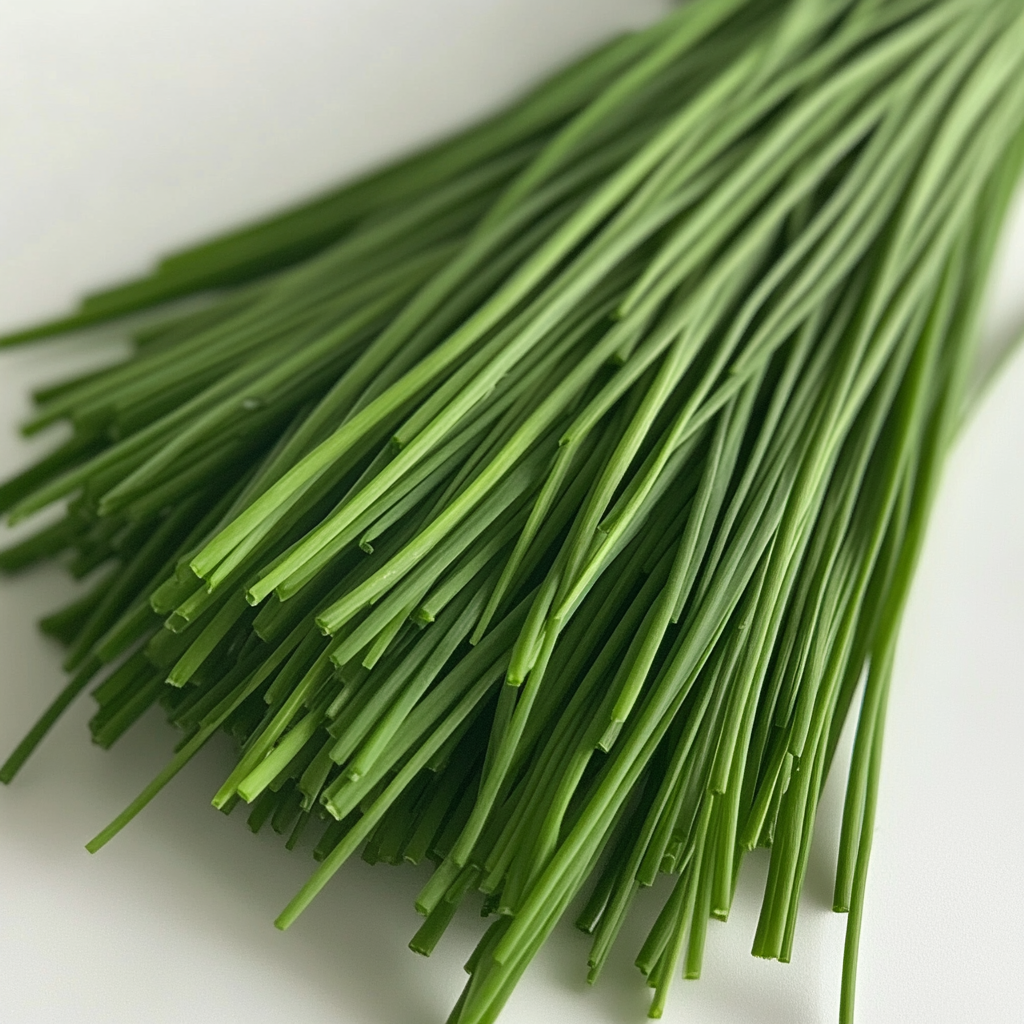
Chives (부추)

Warming in nature, chives are traditionally used to warm the kidney and support reproductive health. Modern research confirms their high content of beneficial sulfur compounds and vitamins.

Alt image Alt image Alt image

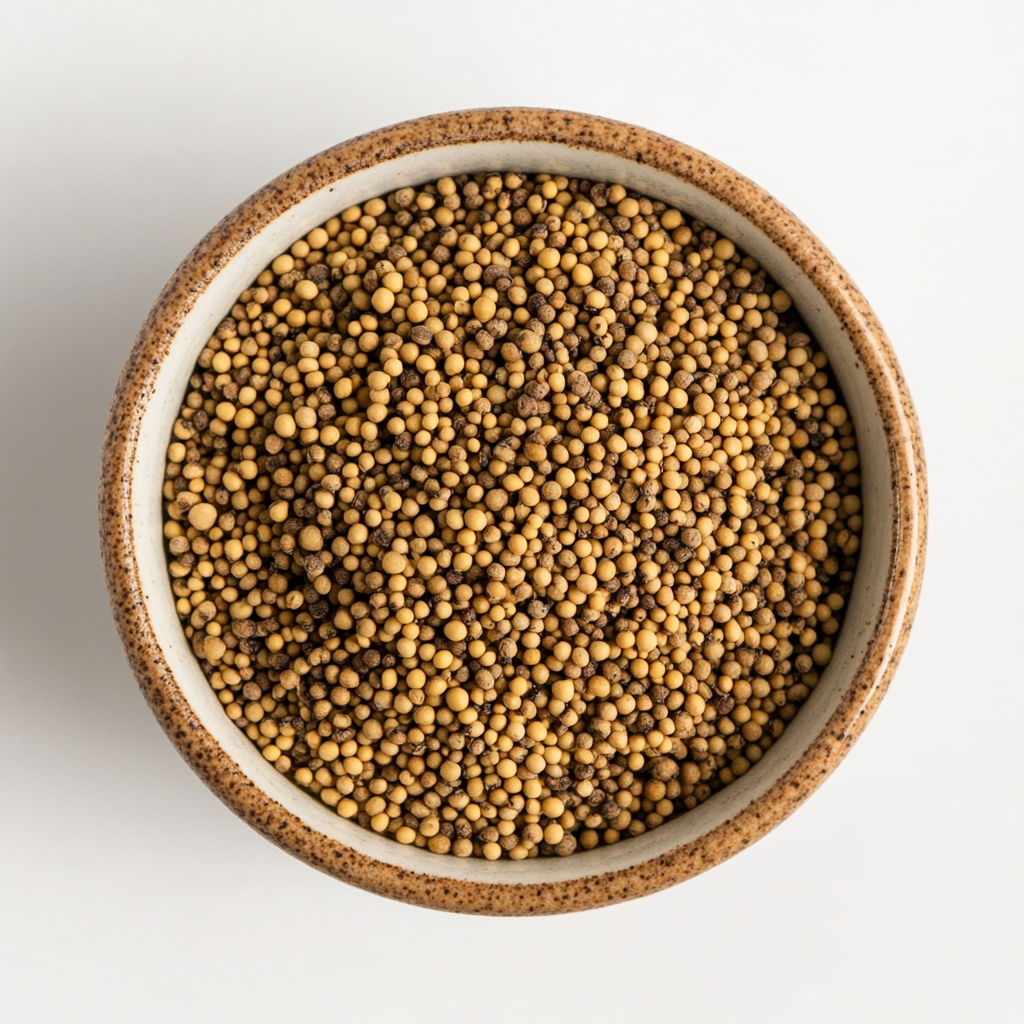
Mustard (겨자)

Warming and dispersing, mustard is used in Korean medicine to clear congestion and warm the lungs. Modern research shows its compounds have antimicrobial properties and may help support respiratory health.

Alt image Alt image Alt image

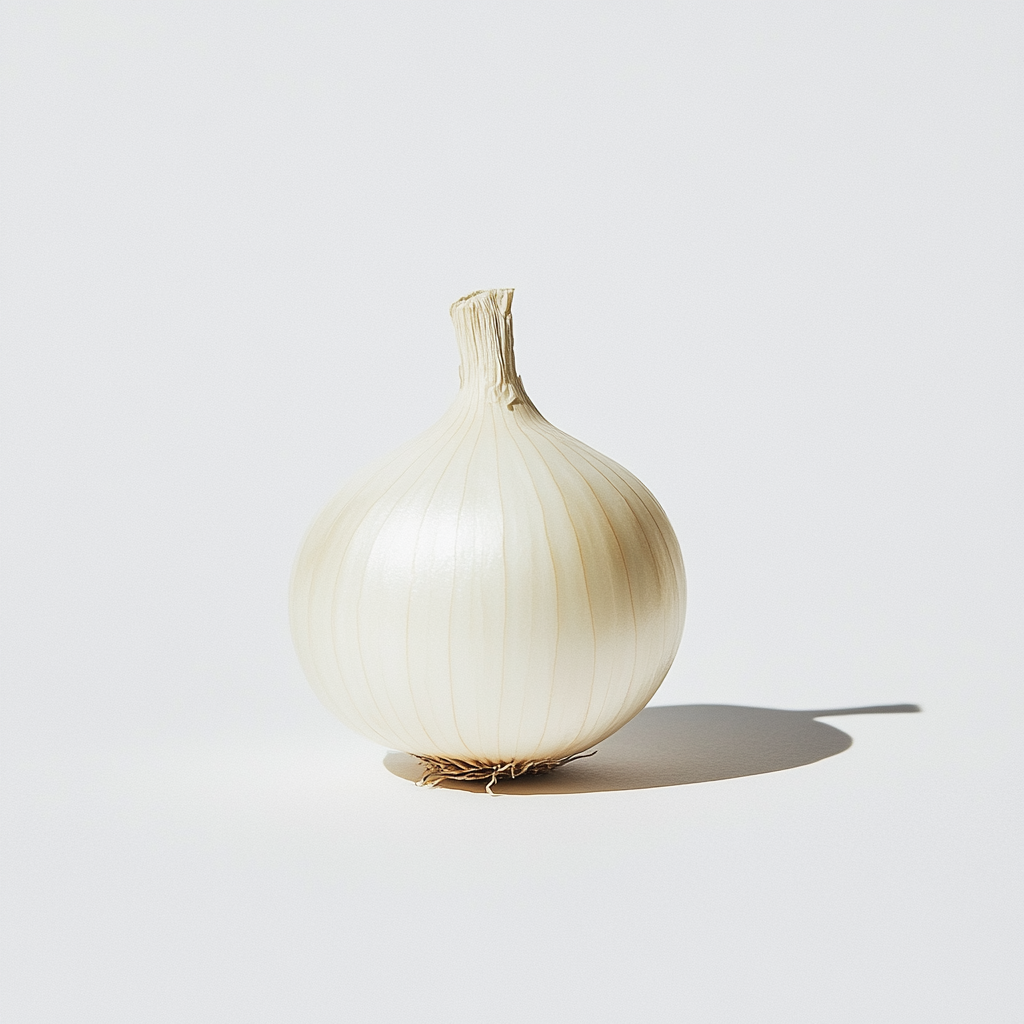
Onion (양파)

Warming in nature, onions are traditionally used to support respiratory health and improve circulation. Modern science confirms their quercetin content provides anti-inflammatory and immune-supporting benefits.

Alt image Alt image Alt image

Paprika (파프리카)

Neutral to slightly warming, paprika is rich in vitamins and antioxidants. In Korean medicine, it's valued for supporting circulation and skin health, while modern research highlights its high vitamin C content.

Alt image Alt image Alt image

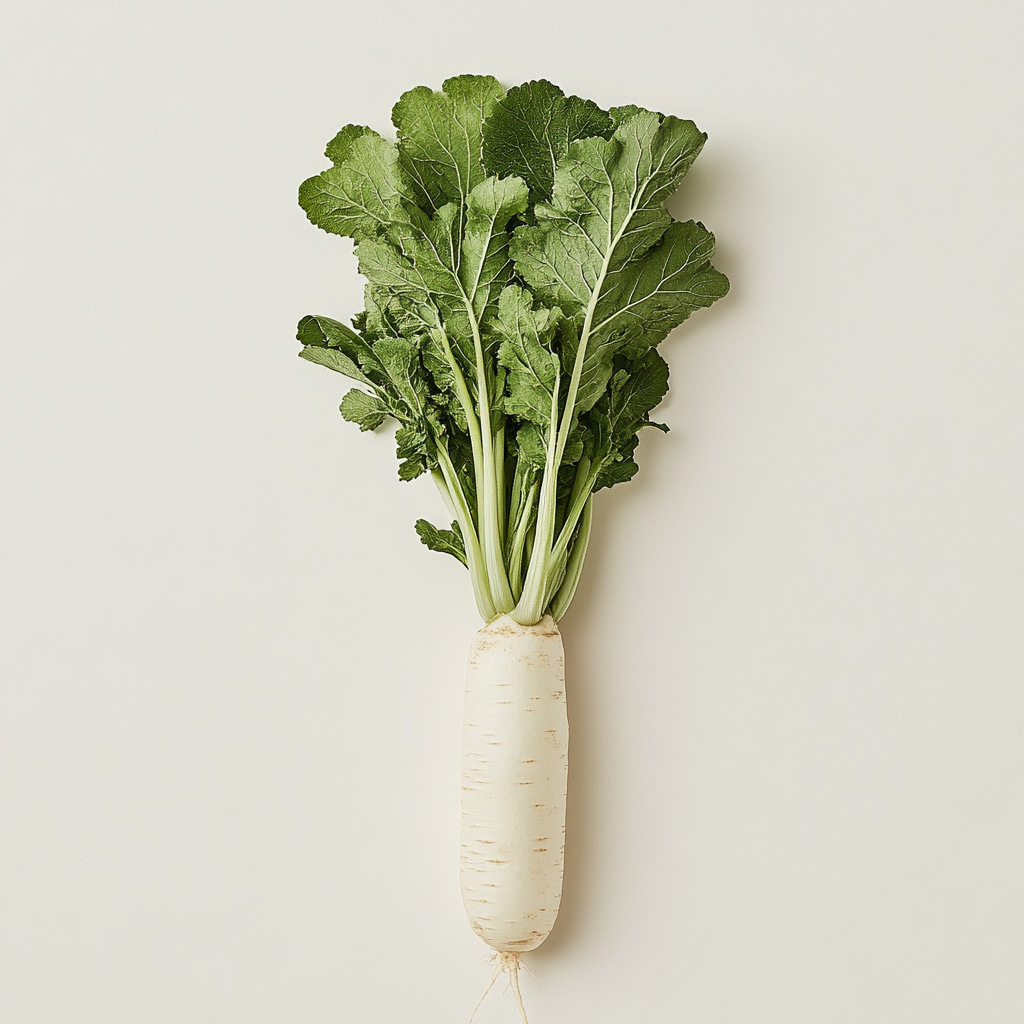
Radish (무)

Cooling and dispersing, radish is traditionally used in Korean medicine to clear heat and support digestion. Modern research confirms its beneficial compounds help support liver function and digestive health.

Alt image Alt image Alt image

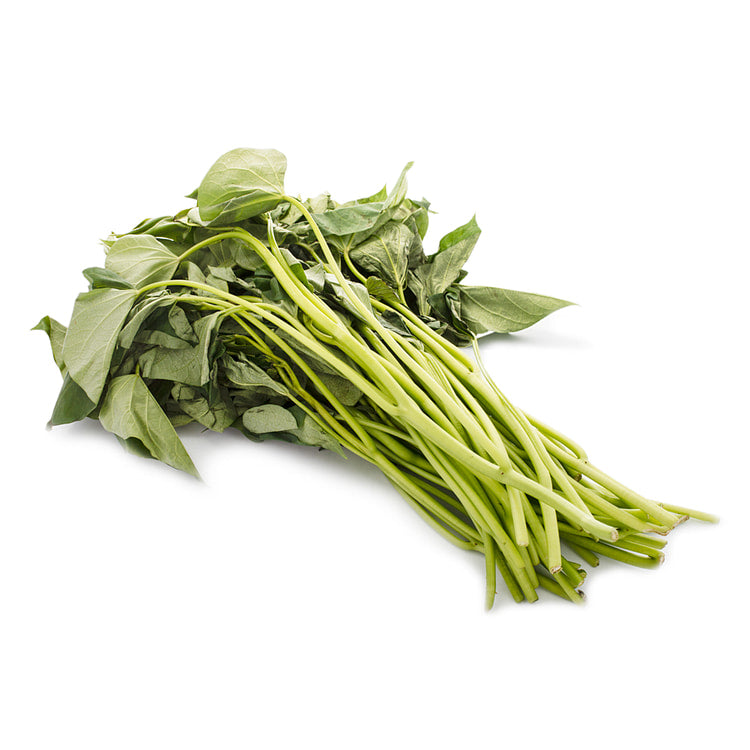
Sweet Potato Stem (고구마 줄기)

Cooling in nature, sweet potato stems are used in Korean medicine to clear internal heat and support digestion. Modern research shows they contain beneficial fiber and antioxidants.

Alt image Alt image Alt image

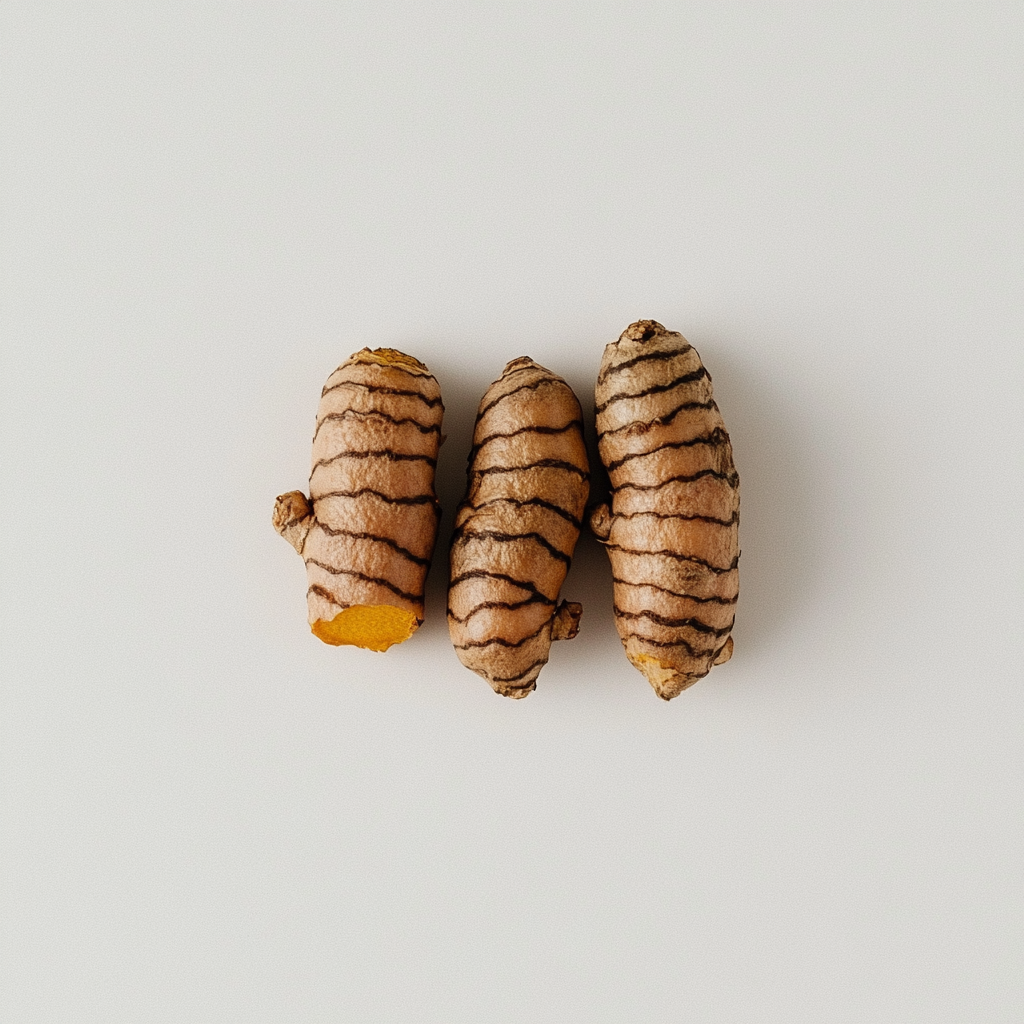
Turmeric (강황)

Warming and moving, turmeric is valued in Korean medicine for improving circulation and reducing stagnation. Modern research extensively documents curcumin's anti-inflammatory and antioxidant properties.

Alt image Alt image Alt image

Yam (마)

Neutral and nourishing, yam is considered a qi tonic in Korean medicine that strengthens the spleen and stomach. Modern research shows it contains beneficial compounds that may support blood sugar regulation and digestive health.

Share your email for updates!

Thanks for contacting us. We'll get back to you as soon as possible.

Our Ingredients

About Us

Blog

Shipping & Returns

Contact Us

Title

Copyright © 2024 DBD Health LLC. All Rights Reserved.

Title

* These statements have not been evaluated by the Food and Drug Administration. This product is not intended to diagnose treat, cure, or prevent any disease *

Information on this site is provided for informational purposes only. It is not meant to substitute for medical advice from your physician or other medical professional. You should not use the information contained herein for diagnosing or treating a health problem or disease, or prescribing any medication. Carefully read all product documentation. If you have or suspect that you have a medical problem, promptly contact your regular health care provider.

Privacy Policy

Terms of Service